
By Liz Orvis
In the 1960s, Rosalynn Carter fought fearlessly to decrease the stigma of mental illnesses and make life better for those of us experiencing that label. Things have come a long way. We are no longer put in institutions for years, even the rest of our lives. There is an increased focus on coping skills instead of horrifying drugs with terrible side effects. Electroconvulsive therapy is used far less often, and the person receiving this treatment is put to sleep instead of being tied down while shot with electricity in their brain. We have come a very long way, but the stigma is still there, in many ways because of the way mental illnesses are portrayed in the media.
For instance, there was a meme going around a while back that stated, “A 72 hour hold in a psych unit is beginning to intrigue me as a possible vacation opportunity”. I have no idea who wrote this, but it is incredibly rude and makes an inpatient stay sound like a barrel full of laughs. Obviously, some people don’t know that in-patient stays can be very stressful. And, for many people, it is incredibly expensive. Unfortunately, because most people don’t know some of these truths about mental health, this meme was passed around like wildfire, spreading laughs and happy faces, while just continuing the stigma…and making people like me feel very alone because many of my friends didn’t realize how much this would hurt me.
At the same time, memes have become a way of spreading positive information about mental health. Decreasing the stigma. They sometimes cause people to ask more questions and are just a short, quick way of sharing some information. For example, one meme I made to advertise my book said, “I can do it” while showing a young man trying to shoot a basketball, and then “we can do it,” showing someone holding him up. This is a great example of support systems and how important they are to people. I have also seen memes introducing 988 or advertising for NAMI, which can both educate people who need the support and encourage those who don’t know about them to do some basic research.
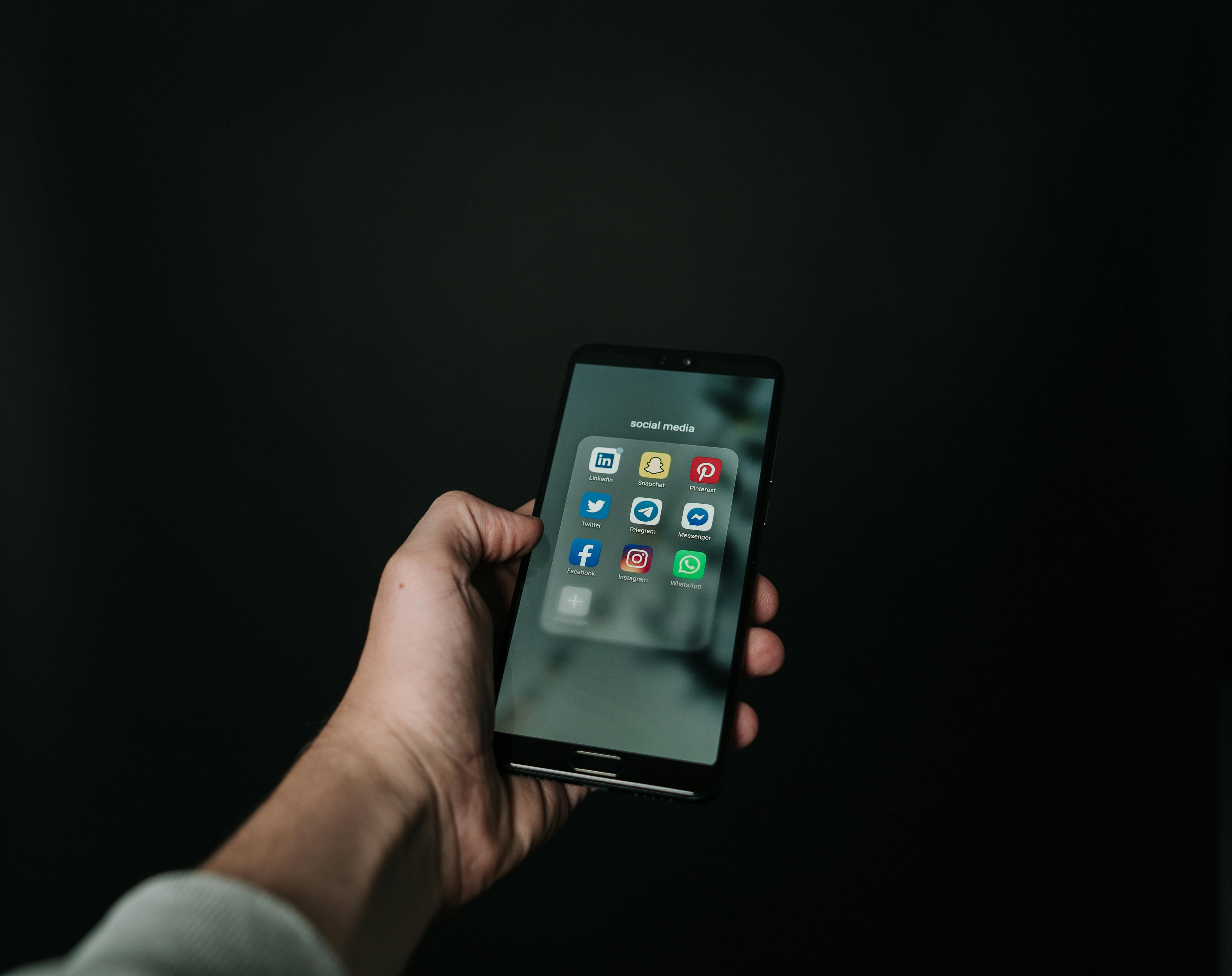
Memes capture a sentiment in just one screen; we don’t have to watch full videos or read anymore. Unfortunately, however, they can often be too short to put things into perspective. It’s easy to be prejudiced or just unkind when you are writing just a sentence. Plus, they are meant to cause an intense response, so they are often designed to cause an extreme emotion. Social media makes it even easier for these ideas to spread. Instead of looking up more information about the topic, people sometimes just share what seems funny to them, and they often don’t know how hurtful it can be to the targeted population.
Harmful portrayals of mental health are not limited to social media, though. Another issue that comes up often is the way inpatient stays are portrayed on television and in movies. I have seen, quite a few times, people being put in straitjackets. I’m not even sure if they use those anymore, but I certainly have never seen that happen. It seems like this is just a way to make people laugh about mental illness, instead of showing concern and understanding. I don’t want pity; I just want understanding.
In the movie Noelle, they put a young woman in a psychiatric ward, but her room had a television and a window that she could climb out of. This is so incredibly different from actual rooms in inpatient stays. There is nothing that can be broken. If there are windows, they are not, in any way, able to be opened. Most often, the person has a roommate, who may be fun and exciting, or who may stay up all night long telling you their delusions.
Obsessive Compulsive Disorder is one of the mental illnesses that I believe is most poorly portrayed on television, for example on shows such as “Monk” and “Glee.” So often the people look helpless, and they have extreme compulsions that most people laugh about. Hollywood never portrays the medication available or Exposure and Response Prevention, which can make OCD a lot more bearable. It’s too bad, because it would be nice for people with OCD to be motivated by the people they see on TV instead of feeling embarrassed. It’s amazing how people will sometimes say things like, “I really like things to be neat, it’s my OCD.” The real, diagnosable OCD can be crippling. There are so many things in my life that I am not able to do– like cook on a stove, or often even drive–because of my OCD. It can be devastating to hear what people think OCD is when they really don’t know. It makes me feel so alone.
It’s really sad because the media has a lot of power and could do a lot to decrease the stigma of mental health, but it seems like some people who create mental health-related content rely on stereotypes, or take the cheap laughs, instead of educating. I hope that over time they will learn more and share that knowledge. We can help them get to that point. Write to your favorite stars. Avoid giving attention to those memes and show that they put us down. Educate. Pay attention to memes or shows and share the ones that are positive and make us feel better. Not every meme is bad. Not every show is bad. We need to be more intentional about sharing those that are uplifting and honest, and educating those that share something unkind. If we all work together, we can make a difference and break the stigma. I know we can!
Liz Orvis is an author, advocate and amazing aunt. Her main goal in life is to decrease the disparity within the field of mental health, but to support others like her in the meantime. She is a former special education teacher and Board Certified Behavior Analyst, and now she’s taking on the world! See her memoir “It’s a Hard Knock Life”, coming out soon!