
Disclaimer: The author of this article is not a licensed mental health professional.
By Sara Angus
What is Dermatillomania?
Dermatillomania is a mental health condition where one obsessively picks their skin. Dermatillomania can occur anywhere on the body and according to the Cleveland Clinic, it can be triggered by other skin conditions such as eczema or acne. Obsessive skin picking is a subordinate type of obsessive compulsive disorder.
Dermatillomania is characterized by its ability to interfere with daily life and activities, not just an “annoying” habit. According to the Los Angeles Outpatient Center, a sign that an individual may have dermatillomania is “the uncontrollable urge to pick at the skin.” One aspect of this disorder is that after picking, a scab or another type of skin injury can form. Scabs can be a trigger for those who have dermatillomania, which may urge an individual to pick the scabs and start the cycle over again. In severe cases, having these open wounds for a long period of time can lead to infection, permanent scarring, or sepsis.
Many who deal with this illness might feel shame or embarrassment from their scars or actively open wounds. The shame caused by this disorder may lead to lowered self-esteem, isolation, depression, and more. By learning about this condition, destigmatization will help lessen the shame of those who are living with it.
Comorbidity of Dermatillomania
Dermatillomania is often diagnosed with a comorbid condition. Mental Health America states that OCD, trichotillomania (hair pulling), onychophagia (nail biting), depression, anxiety, and bipolar disorder are some of the comorbid conditions that coincide with obsessive skin picking.
In a study from Science Direct, about 24% of participants with obsessive skin picking were also diagnosed with trichotillomania and 22% with Major Depressive Disorder (MDD). To manage the comorbidity of dermatillomania, many experts, such as those at The National Health Service, recommend that those who struggle with this illness should keep their hands busy, identify picking triggers, keep their skin clean, and resist for as long as possible when feeling the urge to pick.
Managing Symptoms
There are ways to help manage one’s impulse to pick. The basis of dermatillomania is a way to gain control when feeling anxious. The International OCD Foundation explains that since picking can stem from anxiety and stress, medications and therapy to help target the base cause will likely help with the management of dermatillomania. Practicing mindfulness and cognitive behavioral therapy are common forms of therapeutic treatment.
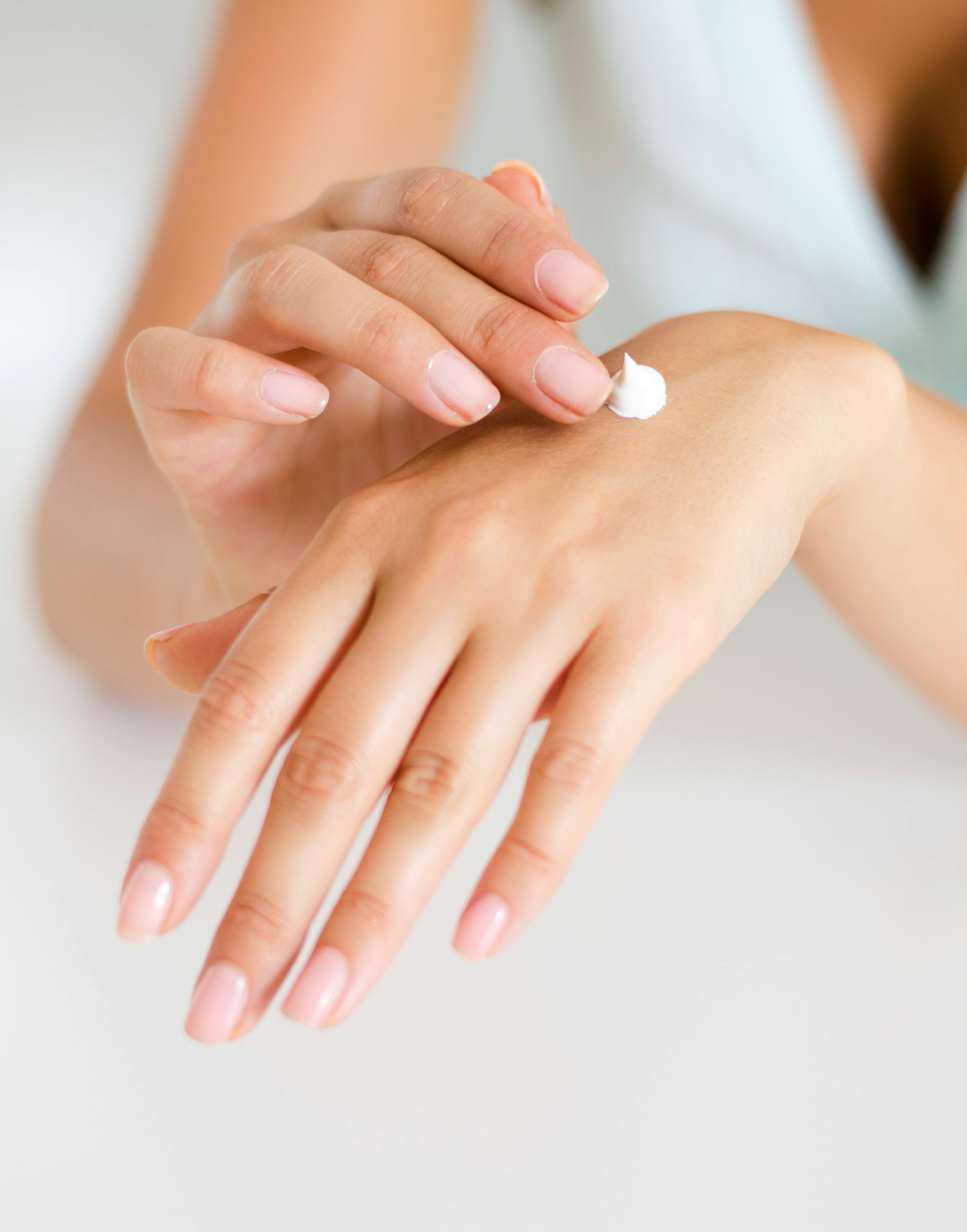
Secondly, there are other ways to help heal the skin in general. NHS UK suggests applying ointment (prescribed or over the counter) to the infected areas when having the compulsion to pick in order to help the skin heal. Other tips they provide include keeping one’s hands busy, identifying triggers, attempting to resist, and keeping the skin clean. These actions can both reduce urges to pick and give the skin time to heal. These tips and tricks may be useful to reduce inflammation and scarring as well as protection from infection.
Some individuals find that pick pads or picking toys are helpful to use in order to feel the satisfaction of the pick without damaging one’s own skin. This kind of redirection reduces the harm to one’s physical body while attempting to break the cycle of picking scabs and scars. These physical protections to heal the skin, however, are not substitutes for treating underlying psychological causes.
Conclusion
In summary, if you are struggling with picking your skin, you are not alone. If you are looking to find help for yourself or a loved one, there are online and in-person support groups, as well as various therapies such as cognitive behavioral therapy and mindfulness that can help. Getting help is a great first step toward helping manage this condition. Professional help can help treat psychological and physical symptoms.
Sara Angus is an undergraduate student at Michigan State University with a passion for supporting mental health. She is a children’s book author who enjoys baking in her spare time. Inspired by NAMI’s commitment to mental health support, Sara volunteers with their support groups to make a meaningful impact.